
Natural Handmade Soaps: Why you should make the switch ?
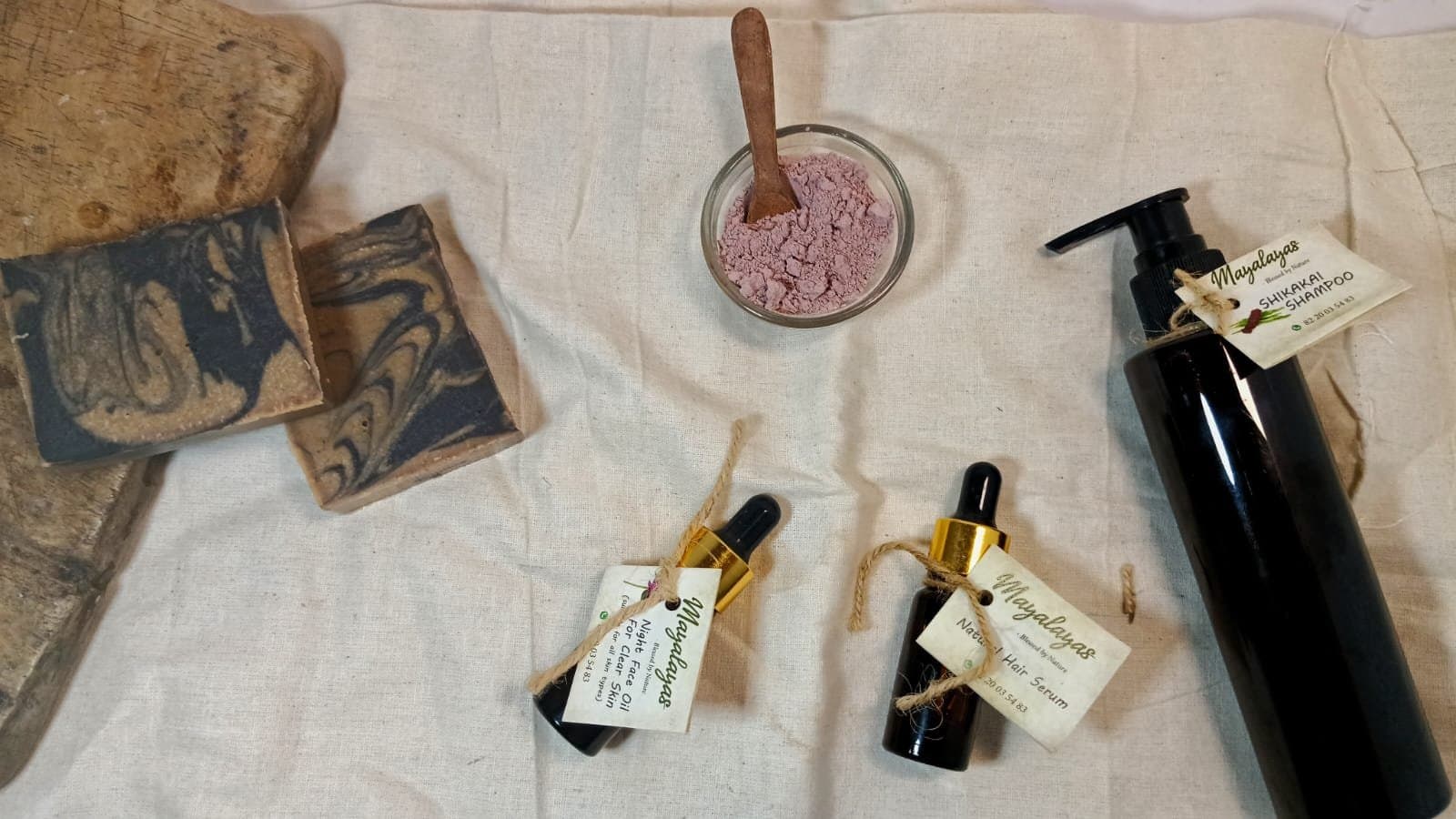
Handmade Natural Soap Benefits: Why Dermatologists Won’t Tell You This
Quick Summary
In a world where commercial skincare products are loaded with synthetic ingredients, more and more people are switching to natural alternatives. One of the standout shifts in the beauty industry is the growing popularity of handmade natural soaps. These artisan creations are not just aesthetically pleasing, but they also offer a wide array of skin-loving benefits that mass-produced soaps simply can’t match. If you’re looking for real handmade natural soap benefits, you’ve come to the right place.
This article dives deep into the benefits of handmade natural soaps. From their nourishing ingredients to the sustainability factor, we’ll uncover why these soaps are taking over the skincare world. Whether you have sensitive skin or just want a cleaner lifestyle, this guide will help you understand why switching to handmade soap is a decision your skin will thank you for.
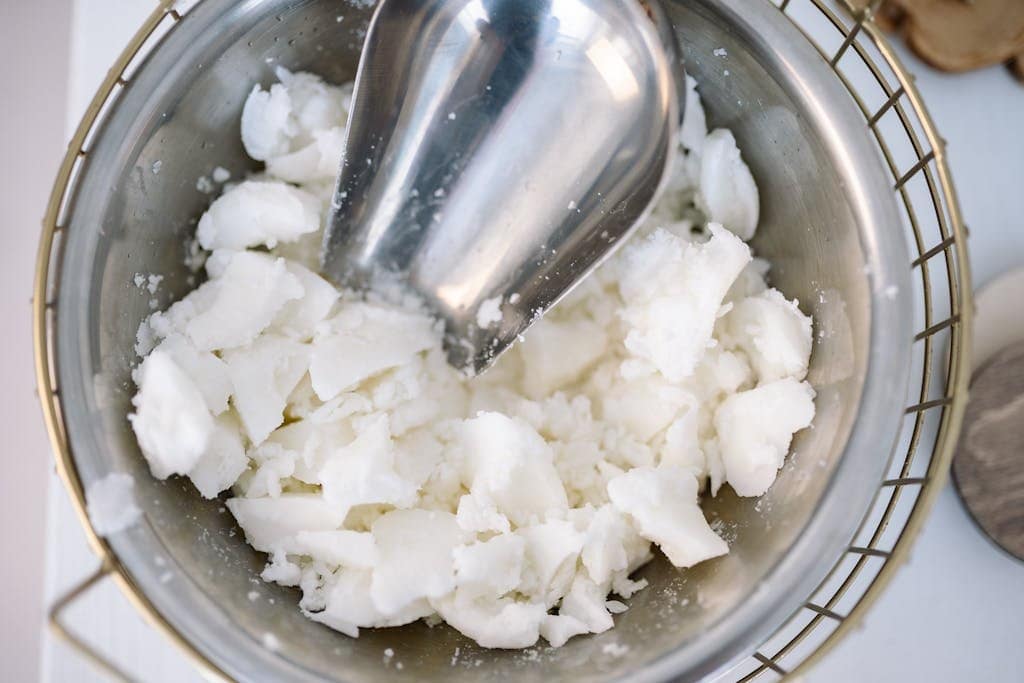
What Makes Handmade Natural Soaps So Special?
Handmade natural soaps are crafted using traditional methods like cold process or hot process techniques. Unlike factory-made soaps that often rely on harsh detergents and preservatives, handmade soaps are rich in natural oils, butters, and essential oils. These ingredients work in harmony with your skin, gently cleansing while providing nourishment.
What sets them apart is the careful selection of ingredients. Small batch production allows artisans to ensure quality, and the absence of chemical fillers means fewer chances of irritation. It’s skincare in its purest form and one of the best handmade natural soap benefits for everyday use.
Key Benefits of Handmade Natural Soaps:
- Free from harmful chemicals
- Rich in natural glycerin that retains moisture
- Infused with essential oils for aromatherapy benefits
- Eco-friendly and sustainable packaging
Shop Handmade Soaps at Mayalayas
The Science Behind Natural Ingredients
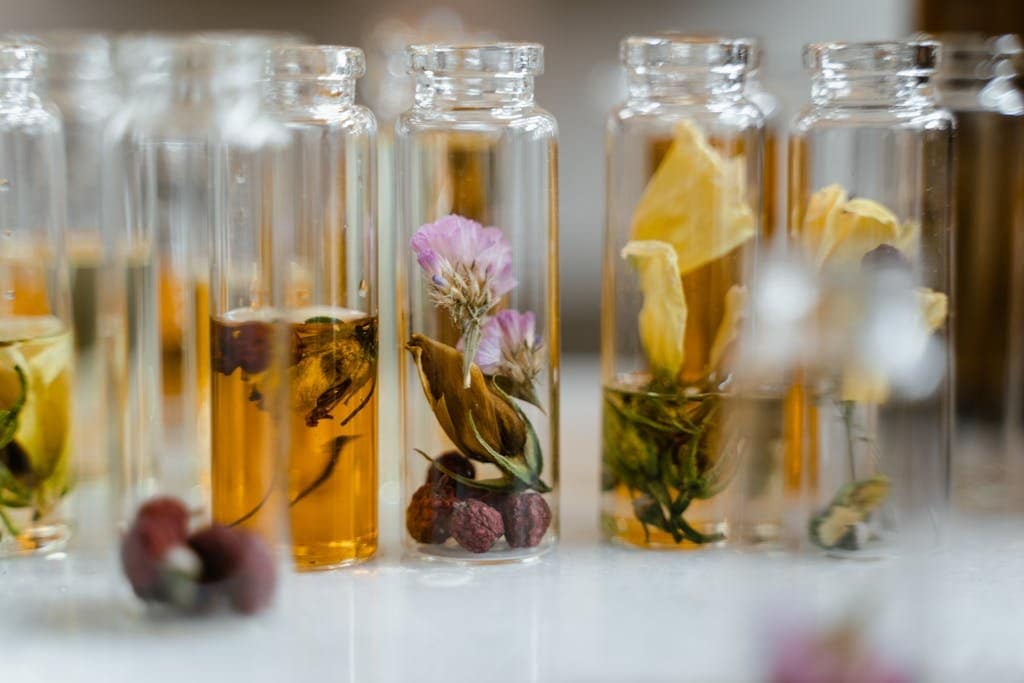
One of the biggest handmade natural soap benefits is the use of nourishing, skin-friendly ingredients. Let’s break down some popular components:
Coconut Oil
This cold-pressed oil is a powerful cleanser and moisturizer. It has antimicrobial properties that help cleanse the skin without drying it out.
Shea Butter
Packed with vitamins A and E, shea butter nourishes the skin and improves elasticity. It’s particularly beneficial for dry or aging skin.
Essential Oils
Lavender, tea tree, eucalyptus, and peppermint are commonly used. These oils not only provide fragrance but also offer skin-boosting properties like anti-inflammation and stress relief.
Natural Clays
Kaolin, bentonite, and French pink clay help in detoxifying the skin. They gently pull out impurities without disrupting your skin’s natural balance.
These ingredients offer long-term handmade natural soap benefits such as healing, deep cleansing, and natural glow.
Handmade Soap vs. Commercial Soap
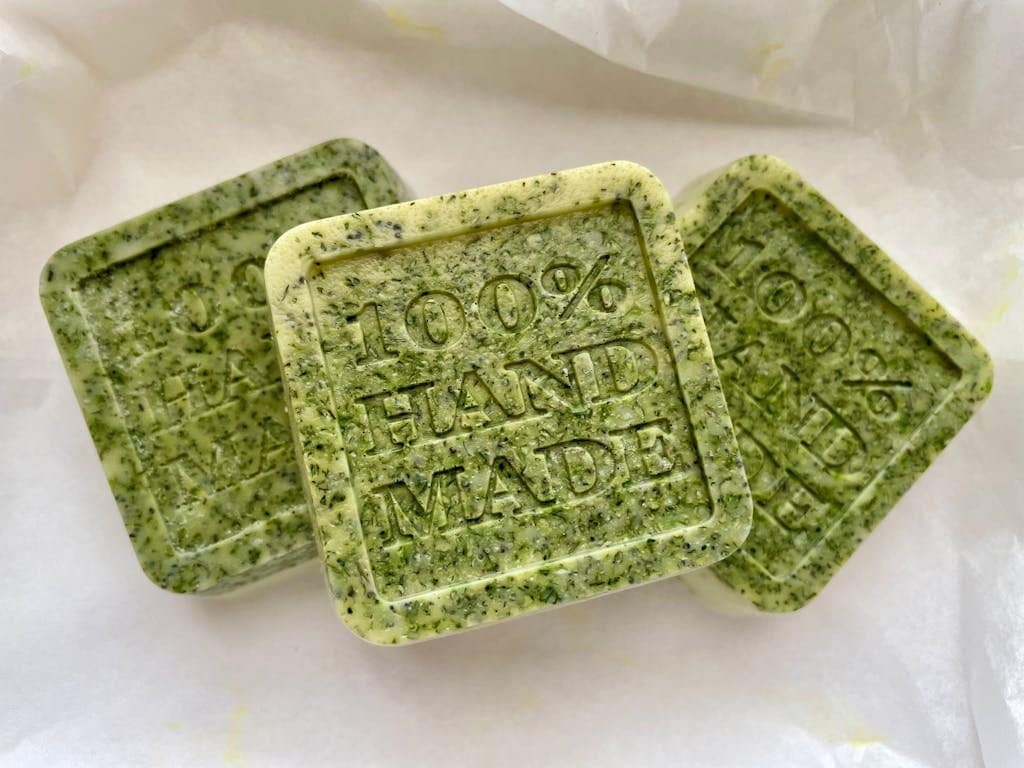
Ingredients
Commercial soaps often use synthetic detergents, artificial fragrances, and preservatives. Handmade soaps, on the other hand, rely on plant-based oils and essential oils.
Production Process
Mass-produced soaps use machinery that strips natural glycerin from the soap, which is then sold separately. Handmade soaps retain this valuable by-product, which helps keep your skin soft and moisturized.
Skin Compatibility
People with sensitive skin often find relief by switching to handmade soaps, as they are less likely to cause irritation or dryness.
Environmental Impact
Handmade soaps usually come with minimal or biodegradable packaging and are often cruelty-free. Commercial soaps contribute significantly to plastic waste.
Environmental Impact of Soap Packaging – Earth911
How Handmade Soaps Support Skin Health
Moisture Retention
The natural glycerin in handmade soap helps your skin maintain its natural moisture barrier.
Fights Acne and Irritation
Ingredients like neem oil, tea tree oil, and charcoal help in controlling acne, redness, and inflammation.
Anti-Aging Properties
Essential oils and natural butters provide antioxidants that slow down signs of aging like wrinkles and fine lines.
Gentle on Sensitive Skin
With no artificial dyes or harsh chemicals, handmade soaps are ideal for people with eczema, psoriasis, or extremely sensitive skin.
Are Handmade Soaps Worth the Price?
While handmade soaps might cost a bit more than commercial alternatives, the quality, ethics, and skin benefits make it a worthy investment. You’re not just buying a product; you’re supporting small businesses, sustainability, and your own health.
Here’s what you really get:
- Higher ingredient quality
- More concentrated formulations
- Long-lasting use (as less lathering agent is needed)
Why Choose Mayalayas Handmade Soaps
Choosing the Right Handmade Soap for Your Skin Type
For Dry Skin
Opt for soaps with shea butter, coconut oil, and olive oil.
For Oily or Acne-Prone Skin
Soaps with charcoal, clay, and tea tree oil work wonders.
For Sensitive Skin
Look for unscented or lightly scented options with soothing ingredients like calendula or chamomile.
How to Integrate Handmade Soaps into Your Routine
- Start with a patch test: Especially if you’re trying essential oils for the first time.
- Pair with natural body butters or oils: This enhances the moisturizing effect.
- Use a soap dish that drains well: This keeps the soap dry between uses and extends its life.
Real Stories: What Users Are Saying
Many users have switched to handmade soaps and noticed major changes. Skin feels softer, acne has reduced, and there’s a general sense of using something good and clean on their skin. User reviews often highlight the emotional connection people develop with natural products, as they know exactly what they’re putting on their bodies.
More Than Just Soap: A Lifestyle Change
Switching to handmade soap often leads to broader lifestyle changes. People start reading labels, questioning ingredients, and opting for natural skincare, shampoos, and even oral care products. It becomes more than just soap—it’s a statement about self-care and responsibility.
Where to Buy Handmade Natural Soaps
Support local artisans or trusted online platforms that prioritize quality and sustainability. Look for:
- Full ingredient disclosure
- Ethical sourcing
- Sustainable packaging
- Transparent manufacturing process
Benefits of Natural Skincare – Healthline
Final Thoughts: Give Your Skin the Care It Deserves
Choosing handmade natural soap isn’t just about luxury—it’s about making a conscious decision for your skin and the environment. With so many benefits, from moisturizing and anti-aging to soothing sensitive skin, it’s clear that these artisanal creations offer more than just a cleansing product. They provide an experience—a connection to nature and to wellness.
So go ahead. Ditch the chemical-laden commercial bars and treat your skin to something better.